
It’s not quite Gen Z, but it’s not quite Millennial either. Enter the Zillennials—a micro-generation born between the mid-90s and early 2000s, straddling the worlds of analog childhoods and digital adulthoods. While Millennials are known for their formative experiences with the rise of the internet and social media, and Gen Z is the first generation born into a fully digital world, Zillennials exist somewhere in between. This blending of eras has shaped their unique attitudes, cultural tastes, and outlook on life..
So, what makes Zillennials stand out from their generational neighbours? And how is this in-between generation influencing culture in ways we haven’t seen before?
Analog Childhoods Meet Digital Adulthood
Many Zillennials grew up playing outside until the streetlights came on, recording songs off the radio on cassette tapes, or anxiously awaiting the weekly episode of their favorite TV show. They were raised in a world where the internet existed but wasn’t the all-consuming force it is today. At the same time, they were the first to jump into the deep end of the social media revolution in their teenage years, logging onto MySpace, Bebo (remember bebo?) and early Facebook with excitement, experimenting with Tumblr aesthetics, and creating their first YouTube videos.
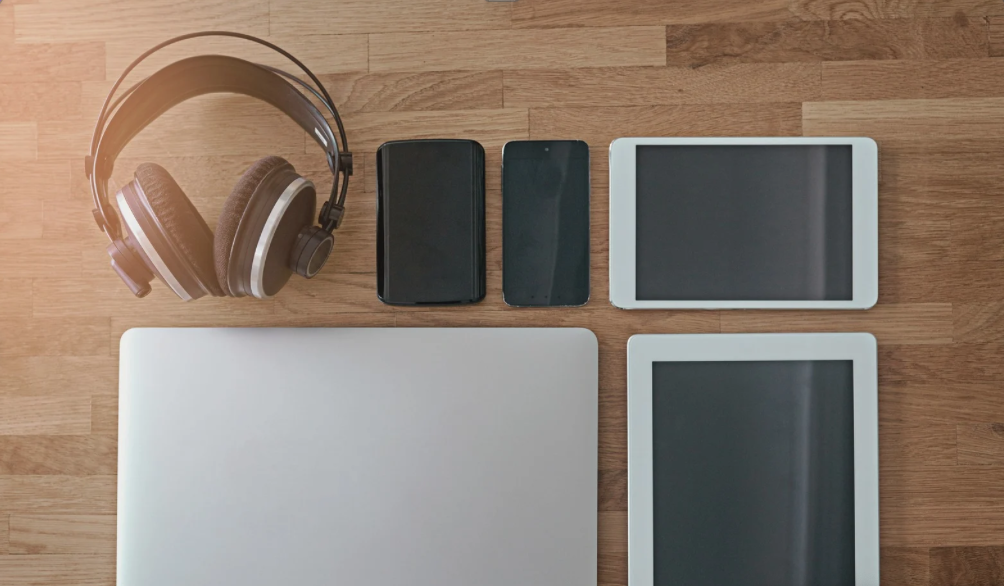

Navigating Work: Ambition & Burnout
Zillennials are entering adulthood at a time of unprecedented global upheaval. Economic crises, political turmoil, and the rise of social movements like #MeToo and Black Lives Matter have shaped their worldview. As they navigate the early years of their careers, many Zillennials are questioning the traditional work culture that Millennials began to reject. They’ve inherited a world where job security is no longer a given, and “work grind” dominates.
But while Zillennials are ambitious, many are also cautious about burning out. They are redefining what success looks like, seeking meaningful work and valuing flexibility over rigid career paths. They’ve witnessed Millennials’ struggles with work-life balance and student debt, and are pushing back on the idea that productivity equals worth.
With a foot in both the Millennial and Gen Z camps, Zillennials are more likely to question corporate structures while also embracing side gigs and entrepreneurship. This hybrid approach to work reflects their adaptability, and their awareness of the precarious economic landscape they’ve inherited.
Diverging Attitudes Within the Same Generation
What makes Zillennials particularly unique is the wide range of attitudes and cultural preferences that exist within the group itself. Depending on what aspects of culture they gravitated towards in their formative years, some Zillennials feel more connected to Millennial experiences, while others align more closely with Gen Z. This divergence in identity and cultural tastes can even exist within the same friend group, making Zillennials a generation defined by fluidity and nuance.
For some, growing up with early 2000s TV shows, pop-punk, and Facebook might make them feel solidly Millennial. They may find themselves bewildered by the TikTok trends and slang that Gen Z has popularised, feeling more at home with the Millennial obsession over things like Harry Potter or the struggle to balance work and mental health in a work grind world.
On the other hand, other Zillennials who came of age during the rise of platforms like Snapchat and TikTok may cringe at Millennial culture. They resonate more with Gen Z’s bold and ironic approach to social media, their forward-thinking attitudes towards mental health, and their rejection of traditional norms. For them, Millennial behaviors—like obsessing over “adulting” or using emojis in text messages—feel outdated, and they’re more likely to roll their eyes at Millennial internet humor.
his range of experiences and identities often creates interesting dynamics within Zillennial friend groups. In the same group, you may find one person making memes about Millennials’ fixation on homeownership and work life, while another friend reminisces about the MySpace days and the golden era of Friends reruns. These diverging cultural touchpoints show how Zillennials are not a monolithic group but rather a blend of influences that can lean one way or the other depending on personal experience.
Cultural Shifts and Identity
Culturally, Zillennials are a fascinating blend of old and new. They appreciate the nostalgia of 90s and early 2000s culture, with its iconic TV shows, music, and fashion, but they’re also quick to engage with Gen Z’s forward-thinking trends and progressive ideals. They may post a TikTok video about Y2K fashion one day and share a meme about mental health the next.
Zillennials are also playing a pivotal role in the conversation around identity. As issues of race, gender, and sexuality continue to evolve, many Zillennials are pushing for a more inclusive society. They’re challenging outdated norms around gender roles and exploring new ways of expressing themselves. For them, identity is fluid, and labels are flexible.
This open-minded approach to identity, combined with a critical understanding of media and representation, allows Zillennials to bridge cultural gaps. They’ve become cultural translators of sorts—able to understand Millennial references while fully embracing Gen Z’s penchant for calling out societal injustices.
What’s Next?
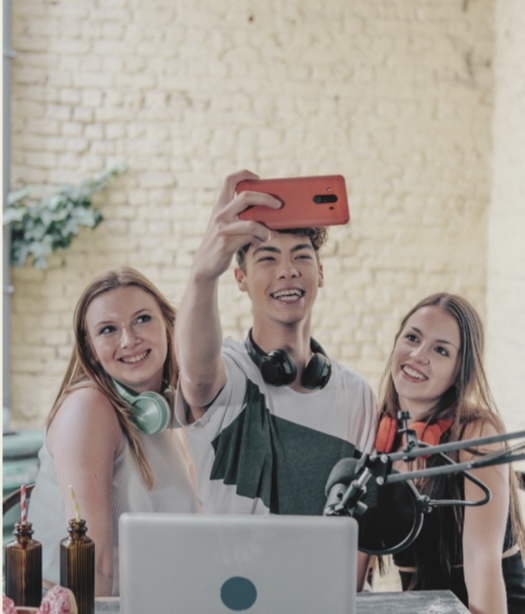
Zillennials’ unique ability to straddle both Millennial and Gen Z cultures has given them remarkable adaptability. They move seamlessly between a world shaped by both analog memories and digital realities. But as Gen Z matures and Gen Alpha comes of age, what will become of this in-between space?
The Zillennial experience may be the last of its kind—an intersection of two distinct cultural eras, for now anyway. Gen Alpha will grow up fully immersed in a hyper-digital world, where the clear divisions between generations may not exist.
While future generations may have more streamlined experiences, Zillennials will continue to thrive in their flexibility, shaping and reshaping themselves as cultural landscapes evolve. The question remains: will future generations enjoy the same diversity of experience, or will Zillennials remain a unique moment in generational history?
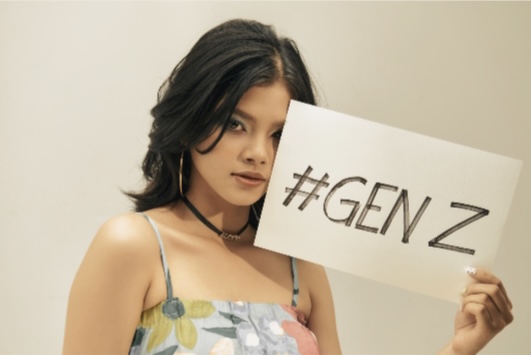
Zillennials may not fit neatly into the established generational categories, but that’s exactly what makes them so important. As they continue to adapt to and influence the world around them, they’re proving that being in between doesn’t mean being left out—it means defining the future on their own terms.
By Grainne Milner-McLoone
 Eris
Eris 
Leave a comment